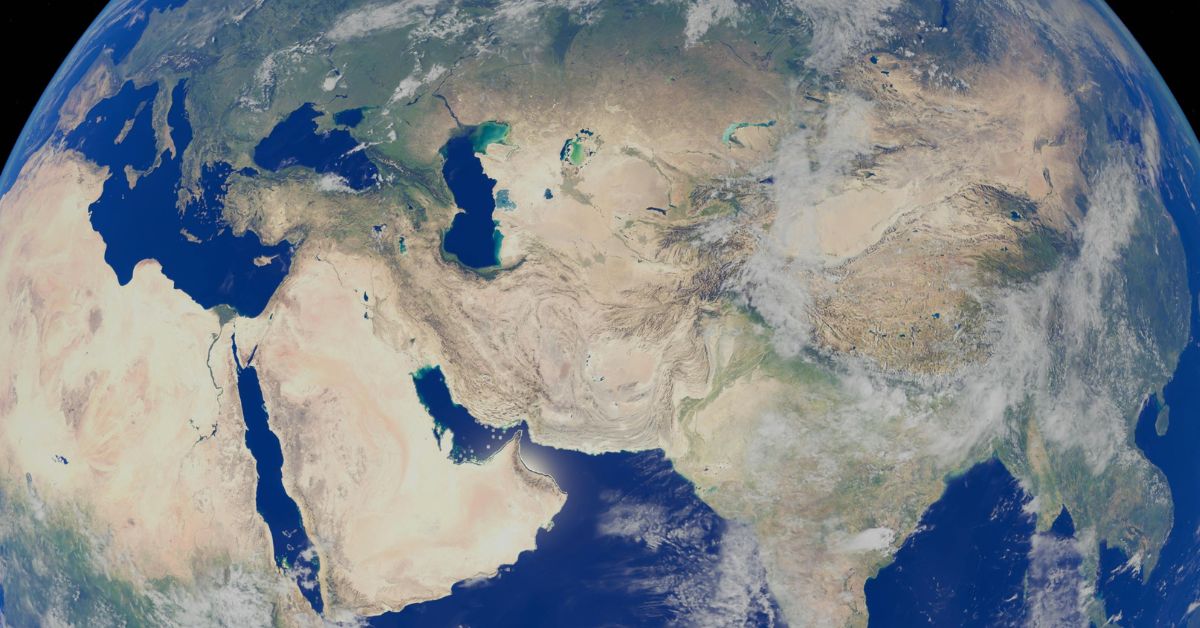
The Strait of Hormuz, a narrow corridor through which nearly a fifth of the world’s oil flows, may seem geographically remote. Yet with Iran now restricting access to vessels from countries it considers adversaries, disruption has begun, illustrating how fragile our interconnected systems really are. Shipping routes are rerouting, insurance premiums are climbing, and global oil prices are reacting. That’s the headline. The real story, however, is what happens next.
This isn’t just about oil. When people think about global disruption, they think petrol prices. And yes, you’ll likely see that when you next fill up at your local fuel station. But that’s only the surface. What starts in the Strait doesn’t stay in the Strait. The disruption moves quietly through supply chains, contracts, and influences boardroom decisions.
Modern businesses don’t operate in isolation. They rely on vast, interconnected systems: components manufactured in one country, shipped through another, assembled somewhere else and sold globally. Disrupt one critical artery and the ripple effect spreads quickly.
However, behind the headlines lies the hidden lag between markets and reality. Few consumers realise how delayed the impact of wholesale energy prices can be. Suppliers protect themselves through forward-looking contracts, a practice known as hedging. They buy energy months or even years in advance, creating a buffer against sudden market shocks.
What You Might Notice Next (Without Realising Why)
Over the coming weeks and months, the impact could start showing up closer to home:
- Delayed deliveries – not just fuel, but everyday goods
- Rising costs – transport, production, and ultimately consumer prices
- Stock shortages – certain products becoming harder to source
- Service disruption – from construction delays to slower logistics
Where It Becomes a Business Problem
For organisations, this is where geopolitics stops being abstract and becomes operational. This disruption is not just a financial issue but a continuity issue, affecting project viability, margins and long-term planning. What begins as a political decision quickly turns into:
- Supply chain disruption
- Increased operational costs
- Contractual pressure
- Difficult trade-offs under time pressure
And often, decisions have to be made without full visibility.
Do you switch suppliers?
Reroute logistics?
Absorb costs or pass them on?
None of these decisions are simple, and all of them carry risk, but if they have been considered ahead of disruption there will have been time to think through valuable solutions to minimise the impacts on the business.
The Continuity Gap
Many organisations have business continuity plans, but how many have tested them against real-world scenarios like the restrictions in the Strait of Hormuz, which is a critical gap. This is a complex, fast-moving, multi-region disruption where there is no clear timeline, information is incomplete and impacts cascade unpredictably.
Organisations that have stress-tested their plans, exercised disruption scenarios and understand their critical dependencies are far better positioned to make confident decisions and cope best when events like this occur.
It’s about understanding where you are vulnerable, what you depend on, and how quickly you can adapt when those dependencies fail.
Final Thoughts
If a single waterway can destabilise global systems, what does that tell us about our own organisations and the assumptions we make about stability? How well do we understand the vulnerabilities that exist in the supply chains, contracts, and infrastructure we rely on every day? In a world built on interconnected systems, distant disruptions are no longer distant, and we need to be prepared.
The challenge is not predicting the next disruption – it’s knowing the weak points in the systems your organisation depends on and building the agility to respond when they fail.
If you want to know more and how Inverroy can help build resilience into your organisation, email us at enquiries@inverroy.com