Fuel Disruption and the UK’s Corporate Security Blind Spot
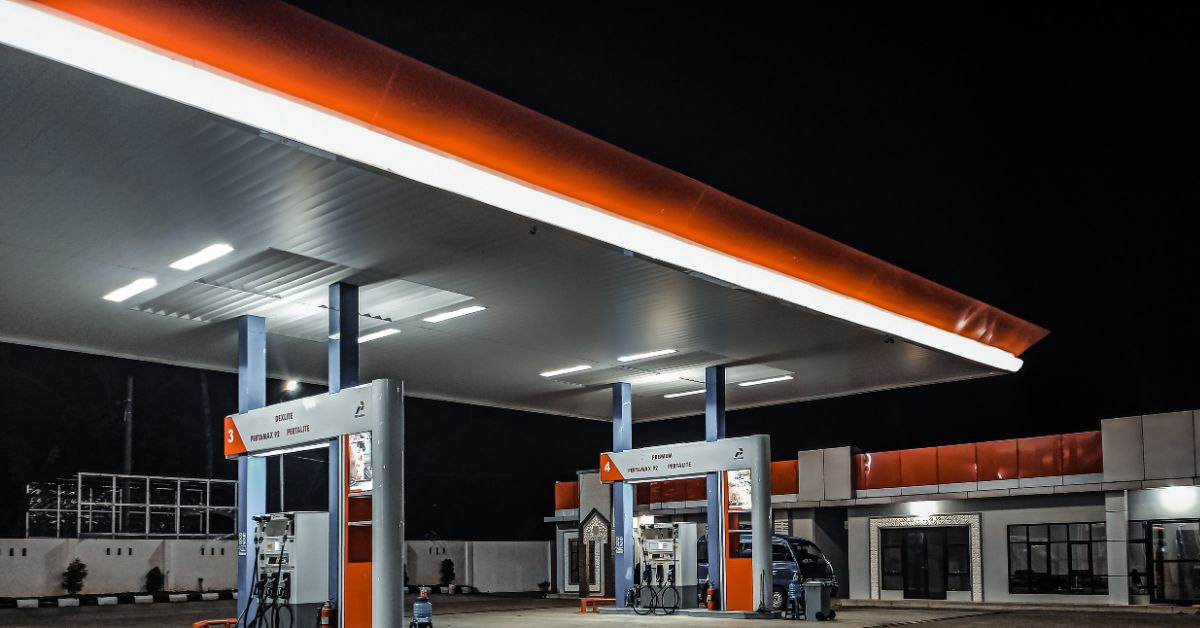
Fuel shortages don’t begin at the petrol station, but that’s where their impact becomes visible.
In Part One, our previous article explored the economic and operational consequences of a prolonged energy supply shock. But beyond rising costs and supply chain pressure sits another issue that organisations often underestimate: the security and behavioural risks that emerge when public confidence in availability starts to weaken.
For UK businesses, rising fuel costs and supply uncertainty linked to Middle East instability are often treated as financial or operational issues. But that misses the bigger picture. Fuel disruption is a security issue, and one that directly aligns with UK government resilience priorities around critical infrastructure, public behaviour, and continuity of essential services.
We’ve seen how quickly this can escalate.
During the UK fuel protests in 2000, refinery blockades reduced petrol station supplies to critical levels within days. Panic buying followed. Supply chains stalled. Emergency services came under pressure.
More recently, in 2021, fuel supply disruption driven by HGV driver shortages led to widespread queues, temporary station closures, and public disorder in some areas, despite there being no actual shortage of fuel.
The key lesson? Perception drives behaviour. And behaviour drives risk.
In the current environment, wholesale energy prices have risen sharply, with gas prices increasing by over 60% during recent periods of escalation in the Middle East. That pressure feeds directly into:
- Increased operating costs
- Strain on logistics and distribution
- Heightened public sensitivity to availability
For businesses, the risks are not abstract. They are immediate and tangible:
Operational vulnerability
Transport-dependent operations, from logistics to field services, become less reliable. Delays increase. Costs rise. Planning becomes reactive.
Site and personnel risk
Fuel stations, distribution hubs, and retail environments can become flashpoints during periods of perceived scarcity.
This creates risk for:
- Frontline staff
- Customers
- Security personnel
- Physical assets
Insider and workforce risk
Periods of economic pressure correlate with increased insider threat indicators:
- Financial stress
- Reduced morale
- Increased susceptibility to coercion or poor decision-making
Supply chain exposure
Rising fuel costs cascade through supply chains, impacting everything from food distribution to manufacturing inputs.
This aligns directly with protective security thinking:
- Identify vulnerabilities
- Protect critical assets
- Maintain continuity under pressure
But many organisations remain underprepared.
Fuel disruption is often treated as a logistics issue, rather than a whole-of-business risk scenario.
The reality is this: When fuel is tight, systems strain.
When systems strain, risk surfaces across operations, people, and security.
For UK businesses, the response must be proactive:
- Security-led risk assessments of sites and supply chains
- Scenario planning for disruption and public behaviour
- Integration of intelligence into operational decision-making
- Monitoring of workforce risk indicators during periods of stress
Because resilience isn’t just about keeping operations running. It’s about understanding where pressure builds and acting before it breaks.